The Role of AI in Smart Homes of the Future: How New Systems Will Change Daily Living
Author:Mike Fakunle
Released:September 16, 2025
The role of AI in the smart homes of the future is becoming a major topic as more people seek greater comfort, safety, and simpler ways to manage daily tasks. Many new tools show how smart home technology can learn and act without constant human input.
These changes are shaping homes that react to moods, patterns, and needs. From energy use to home safety, AI automation is turning homes into active partners that support daily life in smoother, smarter ways.
Understanding What Future Smart Homes Really Mean
Smart homes of the future work as connected spaces that use AI automation to study how people live. The goal is to let devices communicate so tasks can be completed with little effort.

How AI Changes Traditional Home Automation
Older systems only work when a button is pressed. New systems use predictive home systems to learn habits and act on their own. This helps build energy-efficient homes and allows people to enjoy greater comfort.
Key Technologies Behind AI-Driven Smart Homes
Smart sensors, voice assistants, and machine learning tools make decisions based on real data. Many devices follow global standards supported by platforms such as Google, which helps them work together more reliably.
Why Homeowners Are Turning to AI-Enhanced Living
People want homes that save time, reduce stress, and let them manage tasks without constant checking. Many also want safer spaces and more control of energy costs, which predictive home systems deliver well.
How AI Creates a Connected and Predictive Home Environment
AI automation ties all devices into one system that understands patterns. This makes the home respond with smooth, well-timed actions.
Seamless Device Communication and Real-Time Data Sharing
Smart home technology uses shared networks to pass data between lights, locks, speakers, and more. This fast communication supports better results, especially in energy-efficient homes.
Predictive Behavior Learning
Predictive home systems watch routines such as sleep hours, cooking times, and movement around the house. They adjust tools to fit these habits for comfort and lower bills.
Automated Task Handling That Reduces Human Effort
Climate control, lighting, cleaning tools, and even appliance cycles run independently. This makes AI automation a major part of smooth home living.
AI for Energy Efficiency and Better Resource Use
Smart home technology is playing an increasingly important role in building energy-efficient homes. Many users want lower bills and better control of power use.
Smart Energy Tracking in Real Time
Energy-use sensors track how each room and device behaves. This data helps predictive home systems adjust settings before waste happens.
AI-Based Power Optimization
Heating, cooling, lights, and standby power can lower their output when not needed. System updates from groups such as Energy Star support best practices for reducing long-term energy loss.
How AI Supports Sustainable Home Living
Energy-efficient homes that use AI automation can reduce waste, lower their carbon footprint, and keep rooms at a comfortable temperature all day.
AI-Driven Home Security and Protection
AI home security tools offer stronger protection than older systems. They react faster and make fewer mistakes.
Intelligent Threat Detection Systems
Facial recognition, motion analysis, and noise-detection tools monitor for unusual activity. These systems study normal home behavior to avoid confusion.

Automated Alerts and Emergency Responses
If a problem appears, AI automation can lock doors, send alerts, or call for help. This makes AI home security more reliable than older alarms.
How AI Reduces False Alarms and Improves Accuracy
Predictive home systems learn the difference between real danger and normal movement, reducing false alarms and improving trust.
AI in Smart Home Health and Wellness
Smart home technology supports health needs by tracking how the home affects comfort.
Indoor Air Quality Monitoring
Sensors track dust, smoke, and humidity. Some devices work with safety groups, such as the World Health Organization, to follow global health standards.
Sleep and Activity Pattern Tracking
AI automation studies how long people sleep, how often they move at night, and what room conditions improve rest.
Personalized Wellness Recommendations
Lights can match the body's rhythm, temperatures adjust at night, and noise levels shift for comfort, helping predictive home systems support daily well-being.
AI Assistants as the Core of Future Home Management
AI assistants bring every tool together. They run tasks based on routines, voice inputs, and sensor data.
Central Control Hub for All Home Systems
These hubs bring smart home technology into one place, allowing devices to follow shared rules.
Voice-First Interfaces for Simple Everyday Use
Many people prefer voice requests over manual controls. Voice tools make AI automation faster and more natural.
Workflow Automations That Improve Daily Living
Shopping lists, reminders, and home schedules run smoothly inside predictive home systems.
Challenges That Come With AI-Powered Smart Homes
Some issues need attention, even with the growth of AI automation.
Privacy and Data Protection Concerns
Homes collect a lot of personal data. Strict rules and safe storage are needed, especially with AI home security tools.
Cost and Accessibility of Smart Home Systems
Some tools remain costly, though prices are slowly dropping as more brands enter the market.
Technology Over-Reliance and Maintenance Issues
Systems need updates and support. Without them, predictive home systems may lose accuracy or break down.
What the Next Generation of AI Smart Homes Will Look Like
Smart homes of the future will blend comfort and intelligence in new ways.
Hyper-Personalized Home Experiences
Rooms will adjust based on mood, tone of voice, and small daily changes.
Self-Managing Homes Using Predictive AI
These systems will plan tasks before problems appear, making energy-efficient homes even more helpful.
Integration With Smart Cities and Wider Infrastructure
Homes may connect to public systems, allowing faster updates, better power control, and improved AI home security tools.

Why Understanding the Role of AI Matters for Future Homeowners
Homeowners can choose better tools when they understand how AI shapes smart home technology.
Making Smarter Buying Decisions
Knowing which systems offer strong AI automation helps save money and time.
Choosing the Right Ecosystem for Long-Term Use
Good choices prevent conflicts between devices and improve predictive home systems.
Preparing for Rapid Technology Growth
Learning about updates now helps people adjust as AI home security and energy tools improve.
How AI in Smart Homes of the Future Shapes Everyday Living
AI in smart homes of the future supports comfort, safety, and more efficient energy use. These systems adjust to daily habits and help build smooth routines.
Key Takeaways That Affect Comfort, Safety, and Efficiency
AI automation brings fast responses, simple controls, and fewer tasks to manage.
How AI Becomes a Natural Part of Daily Routines
Over time, predictive home systems blend so well that the home feels active and supportive without effort.
Sources
Don't Miss

The Future Of Work: Jobs AI Will Create, Not Replace
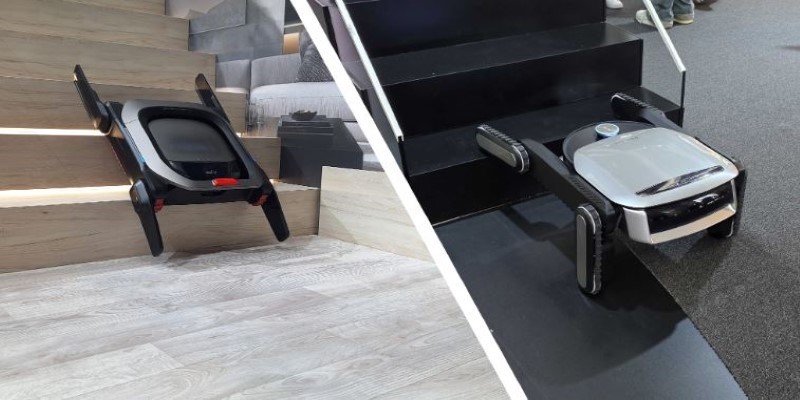
This Home Robot Just Mastered Stairs: Is Nowhere Safe From Bots?

10 Beginner-Friendly AI Tools Anyone Can Use In 2026

AI Ethics: Should We Be Worried About AI Decision-Making?

How AI Helps Improve Video Quality and Editing: A Simple Guide For Better Videos